top of page
Willunga Basin
PHOTOGRAPHY
Aldinga Heritage Page
Heritage listed buildings in chronological order
Please click pictures to access heritage information.

65 Million Years Ago
Sec 799 Esplanade
Suburb: Aldinga BeachMaslin BeachPort Willunga
Title reference: Sec 799, 801, 802 and Alt 1, 2, 5
Allot No: Plan No: HP 106000, DP27413, DP 40554, DP 56399
Heritage ID No: 14040
Council Heritage ID:
Type of listing: State Heritage Place
Description
Approximately 60 hectares in areas, on the foreshore between Maslin Beach and Aldinga Beach, the area contains excellent and rare exposures of the older Cainozoic (up to 65 million years old) sediments of the Adelaide region. Sandy Beach deposits and rock debris from the cliffs above form a shore section about 100m wide with the outcrop about 5km in length. It has been been subject to scientific studies since 1878 and is an important reference area for secondary and tertiary teaching in geology.
Suburb: Aldinga BeachMaslin BeachPort Willunga
Title reference: Sec 799, 801, 802 and Alt 1, 2, 5
Allot No: Plan No: HP 106000, DP27413, DP 40554, DP 56399
Heritage ID No: 14040
Council Heritage ID:
Type of listing: State Heritage Place
Description
Approximately 60 hectares in areas, on the foreshore between Maslin Beach and Aldinga Beach, the area contains excellent and rare exposures of the older Cainozoic (up to 65 million years old) sediments of the Adelaide region. Sandy Beach deposits and rock debris from the cliffs above form a shore section about 100m wide with the outcrop about 5km in length. It has been been subject to scientific studies since 1878 and is an important reference area for secondary and tertiary teaching in geology.

1840 Cottage
2 Township Lane
Suburb: Aldinga
Title reference: Alt 220, Alt 221
Allot No: Plan No: FP 164043, FP 164044
Heritage ID No: 567
Council Heritage ID:
Type of listing: Local Heritage Place
Description
It is an excellent example of a simple stone, symmetrically fronted cottage with a single ridge roof line ending in gable ends to the side elevations of the structure. It has a simple stone skillion to the rear and has been extended substantially over time to the rear under a single pitch roof line. The cottage retains its early timber joinery and the stone has been painted, although recent efforts to remove this paint from the front elevation of the cottage are to be commended.
History
This small cottage on the northern outskirts of the Aldinga Village settlement is typical of early farmhouse structures during the early years of the settlement. The property was owned by Lucy Cox in 1842 and stayed in the Cox family until the 1920's. It has since passed through a number of owners and is no longer associated with agricultural activities of the district.
Suburb: Aldinga
Title reference: Alt 220, Alt 221
Allot No: Plan No: FP 164043, FP 164044
Heritage ID No: 567
Council Heritage ID:
Type of listing: Local Heritage Place
Description
It is an excellent example of a simple stone, symmetrically fronted cottage with a single ridge roof line ending in gable ends to the side elevations of the structure. It has a simple stone skillion to the rear and has been extended substantially over time to the rear under a single pitch roof line. The cottage retains its early timber joinery and the stone has been painted, although recent efforts to remove this paint from the front elevation of the cottage are to be commended.
History
This small cottage on the northern outskirts of the Aldinga Village settlement is typical of early farmhouse structures during the early years of the settlement. The property was owned by Lucy Cox in 1842 and stayed in the Cox family until the 1920's. It has since passed through a number of owners and is no longer associated with agricultural activities of the district.

1840's "Croser's Farmhouse"
5 Barramundi Way
Suburb: Aldinga Beach
Title reference: Alt 505 Sec 412
Allot No: Plan No: DP 63085
Heritage ID No: 572
Council Heritage ID:
Type of listing: Local Heritage Place
Description
The house displays excellent design details including a large encircling verandah, projecting bays, highly detailed cast iron verandah posts, brackets and frieze and detailed moulded brick chimneys. The walls are constructed of face stone, with brick quoins and plinth which have been painted.
History
This house is an excellent example of a large Federation villa of transitional style, constructed during the early years of the twentieth century.
It was originally built by Jasper Pridham, a son of James Pridham, using stone salvaged from the demolition of the White's Valley Flour Mill chimney. This mill was originally constructed by Samuel White during the 1840's and expanded in the 1850's and 60's. However, it was demolished around 1910. The house itself is in a dilapidated condition, but retains most of its original elements. Recent work includes the reconstruction, or at least re-surfacing of the verandah.
Care should be taken to ensure that this does not subsequently cause rising damp in the stone and brick walls. The Pridham family owned several sections around the Aldinga area between the Aldinga township and Aldinga Beach, particularly around the turn of the century and this was the second farmhouse built on this section of their farm land.
This former farmhouse was more recently owned by the Croser family and is now surrounded by subdivision of the township of Aldinga Beach and is actually approached now from the rear of the property.
Suburb: Aldinga Beach
Title reference: Alt 505 Sec 412
Allot No: Plan No: DP 63085
Heritage ID No: 572
Council Heritage ID:
Type of listing: Local Heritage Place
Description
The house displays excellent design details including a large encircling verandah, projecting bays, highly detailed cast iron verandah posts, brackets and frieze and detailed moulded brick chimneys. The walls are constructed of face stone, with brick quoins and plinth which have been painted.
History
This house is an excellent example of a large Federation villa of transitional style, constructed during the early years of the twentieth century.
It was originally built by Jasper Pridham, a son of James Pridham, using stone salvaged from the demolition of the White's Valley Flour Mill chimney. This mill was originally constructed by Samuel White during the 1840's and expanded in the 1850's and 60's. However, it was demolished around 1910. The house itself is in a dilapidated condition, but retains most of its original elements. Recent work includes the reconstruction, or at least re-surfacing of the verandah.
Care should be taken to ensure that this does not subsequently cause rising damp in the stone and brick walls. The Pridham family owned several sections around the Aldinga area between the Aldinga township and Aldinga Beach, particularly around the turn of the century and this was the second farmhouse built on this section of their farm land.
This former farmhouse was more recently owned by the Croser family and is now surrounded by subdivision of the township of Aldinga Beach and is actually approached now from the rear of the property.

1840's "Honeygrove Tea Rooms"
3726 Main South Road
Suburb: Aldinga Beach
Title reference: Alt 8 Sec 617
Allot No: Plan No: FP 102142
Heritage ID No: 499
Council Heritage ID:
Type of listing: Local Heritage Place
Description
The core of these Tea Rooms is a small former farmhouse constructed of stone and brick which is typical of form of the traditional farmhouses of this area. The stone and brick have been painted but the farmhouse retains its slate verandah paving. The roof has been changed and an early photo is indicative of the original symmetrical form of the roof. A later two storey extension to the rear was added in circa 1950.
History
Mr Leo Rogers (brother of Maurice Rogers, Councillor, after whom Rogers Road was named) and his family lived in this house during the 1920's and 30's. His children Bernice and Gordon are the third generation of the Rogers family of Sellicks Hill.
Suburb: Aldinga Beach
Title reference: Alt 8 Sec 617
Allot No: Plan No: FP 102142
Heritage ID No: 499
Council Heritage ID:
Type of listing: Local Heritage Place
Description
The core of these Tea Rooms is a small former farmhouse constructed of stone and brick which is typical of form of the traditional farmhouses of this area. The stone and brick have been painted but the farmhouse retains its slate verandah paving. The roof has been changed and an early photo is indicative of the original symmetrical form of the roof. A later two storey extension to the rear was added in circa 1950.
History
Mr Leo Rogers (brother of Maurice Rogers, Councillor, after whom Rogers Road was named) and his family lived in this house during the 1920's and 30's. His children Bernice and Gordon are the third generation of the Rogers family of Sellicks Hill.

1843 Polkinghorne's Cottage
137 Rowley Road
Suburb: Aldinga Beach
Title reference: Alt 7 Sec 0420
Allot No: Plan No: DP 34528
Heritage ID No: 573
Council Heritage ID:
Type of listing: Local Heritage Place
Description
The earliest stone sections of the house indicate its date of construction as 1843 - given the use of random fieldstone walls and low roof height. The house has been considerably extended since the 1960's when the rear sections were added in an appropriate scale and materials. Photos taken during the early 1960's indicate the original size of the building. The roof has been re-clad and the verandah is now an extension of the roof rather than a separate structure attached to the front wall. The 1960's photo also indicates the scale of re-vegetation around the house and all the large casuarinas and pines around the cottage date from after this date. An excavated water tank on the eastern side of the house has also been filled in since 1960.
History
This cottage was built by the Polkinhorne family. Thomas Polkinhorne was listed as residing in Willunga during 1843 in the South Australian Land Returns of that year. He and James Gregor were involved with the earliest discoveries of slate in Willunga. In common with many other small stone cottages within the area, this building had been abandoned as a farmhouse and was re-claimed as a residence by later owners.
Suburb: Aldinga Beach
Title reference: Alt 7 Sec 0420
Allot No: Plan No: DP 34528
Heritage ID No: 573
Council Heritage ID:
Type of listing: Local Heritage Place
Description
The earliest stone sections of the house indicate its date of construction as 1843 - given the use of random fieldstone walls and low roof height. The house has been considerably extended since the 1960's when the rear sections were added in an appropriate scale and materials. Photos taken during the early 1960's indicate the original size of the building. The roof has been re-clad and the verandah is now an extension of the roof rather than a separate structure attached to the front wall. The 1960's photo also indicates the scale of re-vegetation around the house and all the large casuarinas and pines around the cottage date from after this date. An excavated water tank on the eastern side of the house has also been filled in since 1960.
History
This cottage was built by the Polkinhorne family. Thomas Polkinhorne was listed as residing in Willunga during 1843 in the South Australian Land Returns of that year. He and James Gregor were involved with the earliest discoveries of slate in Willunga. In common with many other small stone cottages within the area, this building had been abandoned as a farmhouse and was re-claimed as a residence by later owners.

1850 Barn ruins
14 Old Main South Road
Suburb: Aldinga
Title reference: Alt 9 Sec 400
Allot No: Plan No: DP 29925
Heritage ID No: 555
Council Heritage ID:
Type of listing: Local Heritage Place
Description
The barns are excellent examples of random stone wall construction; one of them is a square form with a pyramidal roof and the other a long rectangular shape reminiscent of a mill building.
History
These barns are remnants of an earlier farm and are evidence of the scale of agricultural activity in the area. They are known as McKenzie's barns although previously they belonged to Thomas H Culley. From 1979 to 1990 the barns were owned by Barakee Pty Ltd then they were purchased by the Almond Grove Family Church.
Suburb: Aldinga
Title reference: Alt 9 Sec 400
Allot No: Plan No: DP 29925
Heritage ID No: 555
Council Heritage ID:
Type of listing: Local Heritage Place
Description
The barns are excellent examples of random stone wall construction; one of them is a square form with a pyramidal roof and the other a long rectangular shape reminiscent of a mill building.
History
These barns are remnants of an earlier farm and are evidence of the scale of agricultural activity in the area. They are known as McKenzie's barns although previously they belonged to Thomas H Culley. From 1979 to 1990 the barns were owned by Barakee Pty Ltd then they were purchased by the Almond Grove Family Church.

1850 Cottage
36 Adey Road
Suburb: Aldinga
Title reference: Alt 238 Sec 401
Allot No: Plan No: FP 164061
Heritage ID No: 529
Council Heritage ID:
Type of listing: Local Heritage Place
Description
The walls are of random stone more recently rendered and the window and door surrounds have also been rendered. It retains its early timber casement windows, but a later verandah has been constructed to the front of the house.
History
This cottage is a typical small low-scaled residence constructed for mill workers during the 1850's.This cottage and the nearby cottages form part of a small settlement associated with Samuel White's Flour Mill.
Suburb: Aldinga
Title reference: Alt 238 Sec 401
Allot No: Plan No: FP 164061
Heritage ID No: 529
Council Heritage ID:
Type of listing: Local Heritage Place
Description
The walls are of random stone more recently rendered and the window and door surrounds have also been rendered. It retains its early timber casement windows, but a later verandah has been constructed to the front of the house.
History
This cottage is a typical small low-scaled residence constructed for mill workers during the 1850's.This cottage and the nearby cottages form part of a small settlement associated with Samuel White's Flour Mill.

1850 Cottage
66 Little Road
Suburb: Aldinga
Title reference: Alt 55
Allot No: Plan No: DP 87801
Heritage ID No: 544
Council Heritage ID:
Type of listing: Local Heritage Place
Description
The cottage has random coursed stone walls, more recently rendered. Window and door surrounds have also been rendered. It retains its early timber casement windows, but a later verandah has been contructed to the front of the house. The cottage has been extended at the rear by the addition of an extra gable running parallel to the original cottage.
History
The cottage is a typical small low-scaled residence constructed during the 1850s and constructed of local materials. With nearby cottages it formed part of a small settlement associated with Samuel White's Flour Mill.
Suburb: Aldinga
Title reference: Alt 55
Allot No: Plan No: DP 87801
Heritage ID No: 544
Council Heritage ID:
Type of listing: Local Heritage Place
Description
The cottage has random coursed stone walls, more recently rendered. Window and door surrounds have also been rendered. It retains its early timber casement windows, but a later verandah has been contructed to the front of the house. The cottage has been extended at the rear by the addition of an extra gable running parallel to the original cottage.
History
The cottage is a typical small low-scaled residence constructed during the 1850s and constructed of local materials. With nearby cottages it formed part of a small settlement associated with Samuel White's Flour Mill.

1850 Cottage
Alt 43 Thomas Road
Suburb: Aldinga
Title reference: Alt 43
Allot No: Plan No: DP 123190
Heritage ID No: 575
Council Heritage ID:
Type of listing: Local Heritage Place
Description
Located in the corner of Section 380, this small cottage of two rooms plus a skillion attachment to the rear is constructed in random stone and retains evidence of tuck-pointing, particularly to the eastern wall. This gives a clear indication of the attempt to formalise the vernacular form of the stonework.
The building also retains brick and timber lintels and timber framing to the windows and doors, and slate sills. There is not evidence of this cottage ever having a verandah structure and it remains standing due to the fact that the roof is still in place. This small cottage is one of many early farming structures which have been abandoned with the amalgamation or subdivision of properties or the construction of newer farmhouses.
Suburb: Aldinga
Title reference: Alt 43
Allot No: Plan No: DP 123190
Heritage ID No: 575
Council Heritage ID:
Type of listing: Local Heritage Place
Description
Located in the corner of Section 380, this small cottage of two rooms plus a skillion attachment to the rear is constructed in random stone and retains evidence of tuck-pointing, particularly to the eastern wall. This gives a clear indication of the attempt to formalise the vernacular form of the stonework.
The building also retains brick and timber lintels and timber framing to the windows and doors, and slate sills. There is not evidence of this cottage ever having a verandah structure and it remains standing due to the fact that the roof is still in place. This small cottage is one of many early farming structures which have been abandoned with the amalgamation or subdivision of properties or the construction of newer farmhouses.

1850 Cottage
6 Adey Road
Suburb: Aldinga
Title reference: Alt 300 Sec 401
Allot No: Plan No: DP 90289
Heritage ID No: 530
Council Heritage ID:
Type of listing: Local Heritage Place
Description
The cottage has random coursed stone walls some of which have been later rendered. The hipped roof is clad with corrugated galvanised iron. Window and door surrounds have also been rendered. It retains its slate flag flooring, lath and plaster ceilings and early timber casement windows, but a later verandah has been constructed to the front of the house. The skillion roofed additions to the rear side of the cottage are also later.
History
This cottage is a typical small low-scaled residence constructed during the 1850's and constructed of local materials. With nearly cottages it formed part of a small settlement with Samual White's Flour Mill.
Suburb: Aldinga
Title reference: Alt 300 Sec 401
Allot No: Plan No: DP 90289
Heritage ID No: 530
Council Heritage ID:
Type of listing: Local Heritage Place
Description
The cottage has random coursed stone walls some of which have been later rendered. The hipped roof is clad with corrugated galvanised iron. Window and door surrounds have also been rendered. It retains its slate flag flooring, lath and plaster ceilings and early timber casement windows, but a later verandah has been constructed to the front of the house. The skillion roofed additions to the rear side of the cottage are also later.
History
This cottage is a typical small low-scaled residence constructed during the 1850's and constructed of local materials. With nearly cottages it formed part of a small settlement with Samual White's Flour Mill.

1850 Hampshire Hotel
72 Little Road
Suburb: Aldinga
Title reference: Alt 5
Allot No: Plan No: DP 59613
Heritage ID No: 545
Council Heritage ID:
Type of listing: Local Heritage Place
Description
The residence was originally constructed as the Hampshire Hotel. It is similar in design to the nearby cottages, extended laterally to provide extra rooms and access doors. It retains its low scale and early joinery, particularly casement windows. The roof is hipped with a verandah, which is an extension of the roofline, but at a slightly flatter pitch. The walls are constructed of local stone, but have been rendered.
History
The building was constructed in the 1850's, part of the settlement associated with Samuel White's Flour Mill. From 1853 to 1863 George Adey was the first publican and is commemorated in the name Adey Road. Several other licensees ran the hotel until it closed in 1869. Little is known about the building until the 1930's when it was leased and later purchased by artist Ivor Hele. A report at the time described the renovation of the "old hotel". Hele constructed the adjoining studio suite in 1957-9, and former Prime Ministers William McMahon and Malcolm Fraser came for portrait sittings. Hele lived here until his death in 1993.
Suburb: Aldinga
Title reference: Alt 5
Allot No: Plan No: DP 59613
Heritage ID No: 545
Council Heritage ID:
Type of listing: Local Heritage Place
Description
The residence was originally constructed as the Hampshire Hotel. It is similar in design to the nearby cottages, extended laterally to provide extra rooms and access doors. It retains its low scale and early joinery, particularly casement windows. The roof is hipped with a verandah, which is an extension of the roofline, but at a slightly flatter pitch. The walls are constructed of local stone, but have been rendered.
History
The building was constructed in the 1850's, part of the settlement associated with Samuel White's Flour Mill. From 1853 to 1863 George Adey was the first publican and is commemorated in the name Adey Road. Several other licensees ran the hotel until it closed in 1869. Little is known about the building until the 1930's when it was leased and later purchased by artist Ivor Hele. A report at the time described the renovation of the "old hotel". Hele constructed the adjoining studio suite in 1957-9, and former Prime Ministers William McMahon and Malcolm Fraser came for portrait sittings. Hele lived here until his death in 1993.

1850 Paddy's row
40 Adey Road
Suburb: Aldinga
Title reference: Alt 239 Sec 401
Allot No: Plan No: FP 164062
Heritage ID No: 528
Council Heritage ID:
Type of listing: Local Heritage Place
Description
The cottage is constructed of random stone which have been recently rendered. The window and door surrounds have also been rendered. It retains its early timber casement windows, but a later verandah has been constructed to the front of the house.
History
This cottage is a typical small low-scaled residence constructed for mill workers during the 1850's. During the 1860's this cottage was the home of William Kitts. He and his wife Katherine had a daughter Hannah. The Aldinga Township directory of 1890 lists Mrs W. Kitts as a resident of the township. The cottage and the nearby cottages form part of a small settlement associated with Samuel White's Flour Mill.
Suburb: Aldinga
Title reference: Alt 239 Sec 401
Allot No: Plan No: FP 164062
Heritage ID No: 528
Council Heritage ID:
Type of listing: Local Heritage Place
Description
The cottage is constructed of random stone which have been recently rendered. The window and door surrounds have also been rendered. It retains its early timber casement windows, but a later verandah has been constructed to the front of the house.
History
This cottage is a typical small low-scaled residence constructed for mill workers during the 1850's. During the 1860's this cottage was the home of William Kitts. He and his wife Katherine had a daughter Hannah. The Aldinga Township directory of 1890 lists Mrs W. Kitts as a resident of the township. The cottage and the nearby cottages form part of a small settlement associated with Samuel White's Flour Mill.

1851 Aldinga Hotel
Old Coach Road

1851 Post Office
17 Old Coach Road
Suburb: Aldinga
Title reference: Alt 1
Allot No: Plan No: FP 121126
Heritage ID No: 561
Council Heritage ID:
Type of listing: Local Heritage Place
Description
The construction of this Post Office at Aldinga in the 1870's is indicative of the extension of Government services to the towns throughout the Willunga District. The Post Office and residence is visible in early photos and its recent reinstatement is indicative of its early appearance.It retains a large amount of original masonry detailing and the verandah has been reconstructed, although early photos indicate a great deal more detailing to posts with capital moulds, and there is no evidence of the crossed rail balustrading which is now part of the building.
History
The Post Office served as a general Government Office for the residents of Aldinga as it also included a Telegraph Office and a Registrar of Births and Deaths. Miss M. Conlon was appointed as Telegraph Messenger at Aldinga in 1897 for a salary of £20 per annum. Previous to that Thomas P. Jackson had been Telegraphic Messenger from 1891.
Suburb: Aldinga
Title reference: Alt 1
Allot No: Plan No: FP 121126
Heritage ID No: 561
Council Heritage ID:
Type of listing: Local Heritage Place
Description
The construction of this Post Office at Aldinga in the 1870's is indicative of the extension of Government services to the towns throughout the Willunga District. The Post Office and residence is visible in early photos and its recent reinstatement is indicative of its early appearance.It retains a large amount of original masonry detailing and the verandah has been reconstructed, although early photos indicate a great deal more detailing to posts with capital moulds, and there is no evidence of the crossed rail balustrading which is now part of the building.
History
The Post Office served as a general Government Office for the residents of Aldinga as it also included a Telegraph Office and a Registrar of Births and Deaths. Miss M. Conlon was appointed as Telegraph Messenger at Aldinga in 1897 for a salary of £20 per annum. Previous to that Thomas P. Jackson had been Telegraphic Messenger from 1891.

1857 Bank of Adelaide
22 Old Coach Road
Suburb: Aldinga
Title reference: Alt 216 Sec 0400
Allot No: Plan No: FP 164039
Heritage ID No: 562
Council Heritage ID:
Type of listing: Local Heritage Place
Description
An early photograph (circa 1890) indicates that the building was brick fronted with a simple concave verandah, and clad with a slate roof. Chenoweth's skillion extension to the side also appears to have been constructed in brick. This extension to the side no longer exists although the residence on the southern side is still intact. The building has been rendered over and the verandah removed exposing the original shopfront to what was the central bank area. Re-roofing has occurred of this structure and a projecting eave retains a small amount of timber barge board detailing with a finial. Associated with this building is a large random stone barn on the southern boundary of the property. The barn has a floor cobbled with beach pebbles.
History
This building figures large in the early years of Aldinga and served many functions including the Aldinga branch of the Bank of Adelaide with an attached residence, and also accommodating Edwin Chenoweth's Harness Shop and Saddlery. The style and materials of the buildings indicate that they were constructed soon after the subdivision of the village in 1857. This building is an imporant element of the streetscape of Aldinga and is indicative of the importance of the village settlement to the surrounding area in the establishment of a branch of the bank, and also in the provision in such essential services as maintenance for horse drawn vehicles, an important part of the transportation and agricultural systems of the time.
Suburb: Aldinga
Title reference: Alt 216 Sec 0400
Allot No: Plan No: FP 164039
Heritage ID No: 562
Council Heritage ID:
Type of listing: Local Heritage Place
Description
An early photograph (circa 1890) indicates that the building was brick fronted with a simple concave verandah, and clad with a slate roof. Chenoweth's skillion extension to the side also appears to have been constructed in brick. This extension to the side no longer exists although the residence on the southern side is still intact. The building has been rendered over and the verandah removed exposing the original shopfront to what was the central bank area. Re-roofing has occurred of this structure and a projecting eave retains a small amount of timber barge board detailing with a finial. Associated with this building is a large random stone barn on the southern boundary of the property. The barn has a floor cobbled with beach pebbles.
History
This building figures large in the early years of Aldinga and served many functions including the Aldinga branch of the Bank of Adelaide with an attached residence, and also accommodating Edwin Chenoweth's Harness Shop and Saddlery. The style and materials of the buildings indicate that they were constructed soon after the subdivision of the village in 1857. This building is an imporant element of the streetscape of Aldinga and is indicative of the importance of the village settlement to the surrounding area in the establishment of a branch of the bank, and also in the provision in such essential services as maintenance for horse drawn vehicles, an important part of the transportation and agricultural systems of the time.

1859 Pengillys Blacksmith
24 Old Coach Road
Suburb: Aldinga
Title reference: Allt 1
Allot No: Plan No: DP 80530
Heritage ID No: 564
Council Heritage ID:
Type of listing: Local Heritage Place
Description
This complex of buildings retains its early sense of history as many of the original structures, particularly stone structures have been retained and only minimal corrugated iron structures added to the complex. Of particular interest is the early residence which is built in random limestone with brick dressings, although the front façade of the structure has been painted. It is possible to see the remnants of regular tuck-pointing over the random stonework. Rising damp has obviously been a problem and this has been rendered over in an attempt to control the problem. However, appropriate damp proof coursing would be necessary to solve this form of deterioration.
History
This part of section 400 first belonged to Lewis Fidge. It was leased by Thomas Pengilly, following which he purchased the property outright. The property was developed as both the residence and workshop of Thomas Pengilly who fulfilled the important function of local blacksmith and coach builder. Thomas Pengilly was assisted in the business by his son Thomas Pengilly Jnr. The two worked together until the retirement of the elder Pengilly in 1875, when the business was taken over by Thomas Pengilly Jnr who continued in this venture until 1895. He then leased out the establishment to John Noah Crisp for 5 years. The blacksmith shop and residence were then taken over by John Noah Crisp & Sons, who were also carriage builders and funeral directors. Still used as a mechanic's garage and residence, the property is still retained within the Crisp family.
Suburb: Aldinga
Title reference: Allt 1
Allot No: Plan No: DP 80530
Heritage ID No: 564
Council Heritage ID:
Type of listing: Local Heritage Place
Description
This complex of buildings retains its early sense of history as many of the original structures, particularly stone structures have been retained and only minimal corrugated iron structures added to the complex. Of particular interest is the early residence which is built in random limestone with brick dressings, although the front façade of the structure has been painted. It is possible to see the remnants of regular tuck-pointing over the random stonework. Rising damp has obviously been a problem and this has been rendered over in an attempt to control the problem. However, appropriate damp proof coursing would be necessary to solve this form of deterioration.
History
This part of section 400 first belonged to Lewis Fidge. It was leased by Thomas Pengilly, following which he purchased the property outright. The property was developed as both the residence and workshop of Thomas Pengilly who fulfilled the important function of local blacksmith and coach builder. Thomas Pengilly was assisted in the business by his son Thomas Pengilly Jnr. The two worked together until the retirement of the elder Pengilly in 1875, when the business was taken over by Thomas Pengilly Jnr who continued in this venture until 1895. He then leased out the establishment to John Noah Crisp for 5 years. The blacksmith shop and residence were then taken over by John Noah Crisp & Sons, who were also carriage builders and funeral directors. Still used as a mechanic's garage and residence, the property is still retained within the Crisp family.

1860 Cottage
11 Old Main South Road
Suburb: Aldinga
Title reference: Alt 101 Sec 400
Allot No: Plan No: DP 62622
Heritage ID No: 570
Council Heritage ID:
Type of listing: Local Heritage Place
Description
This cottage and the one adjacent (Heritage ID 569) were both constructed of sandstone with brick quoins and door and window dressings. However,this cottage has had the dressings rendered over to provide a more formal finish. It is interesing to note that this cottage has had its elevation sheltered with a verandah while the other one (Heritage ID 569) remains without a verandah. Both the cottages have been re-roofed and the chimneys are intact.
History
Both the cottages (Heritage ID 570 and 569) lie within the historic township of Aldinga and are important contributory elements to the character. They are typical small residences constructed sometime during the 1860's and 1880's and display simple symmetrical fronted design that was typical of residential buildings, both in the town and in the country area during this period.
Suburb: Aldinga
Title reference: Alt 101 Sec 400
Allot No: Plan No: DP 62622
Heritage ID No: 570
Council Heritage ID:
Type of listing: Local Heritage Place
Description
This cottage and the one adjacent (Heritage ID 569) were both constructed of sandstone with brick quoins and door and window dressings. However,this cottage has had the dressings rendered over to provide a more formal finish. It is interesing to note that this cottage has had its elevation sheltered with a verandah while the other one (Heritage ID 569) remains without a verandah. Both the cottages have been re-roofed and the chimneys are intact.
History
Both the cottages (Heritage ID 570 and 569) lie within the historic township of Aldinga and are important contributory elements to the character. They are typical small residences constructed sometime during the 1860's and 1880's and display simple symmetrical fronted design that was typical of residential buildings, both in the town and in the country area during this period.

1860 Cottage
13 Old Main South Road
Suburb: Aldinga
Title reference: Alt 222 Sec 400
Allot No: Plan No: FP 164045
Heritage ID No: 569
Council Heritage ID:
Type of listing: Local Heritage Place
Description
This cottage and the one adjacent (Heritage ID 570) were both contructed of sandstone with brick quoins and door and window dressings. This cottage retains unpainted stone. It is interesting to note that this cottage does not have a front verandah while the one adjacent (Heritage ID 570) has had its elevation sheltered with a verandah. Both the cottages have been re-roofed and the chimneys are intact.
History
This cottage and the one adjacent lie within the Historic Character Area of Aldinga and are important contributory elements to the character. They are typical small residences constructed sometime during the 1860's and 1880's and display simple symmetrical fronted design that was typical of residential buildings, both in the town and in the country area during this period.
Suburb: Aldinga
Title reference: Alt 222 Sec 400
Allot No: Plan No: FP 164045
Heritage ID No: 569
Council Heritage ID:
Type of listing: Local Heritage Place
Description
This cottage and the one adjacent (Heritage ID 570) were both contructed of sandstone with brick quoins and door and window dressings. This cottage retains unpainted stone. It is interesting to note that this cottage does not have a front verandah while the one adjacent (Heritage ID 570) has had its elevation sheltered with a verandah. Both the cottages have been re-roofed and the chimneys are intact.
History
This cottage and the one adjacent lie within the Historic Character Area of Aldinga and are important contributory elements to the character. They are typical small residences constructed sometime during the 1860's and 1880's and display simple symmetrical fronted design that was typical of residential buildings, both in the town and in the country area during this period.

1860 Dwelling
25 Old Coach Road
Suburb: Aldinga
Title reference: Alt 16 Sec 0399
Allot No: Plan No: FP 10285
Heritage ID No: 565
Council Heritage ID:
Type of listing: Local Heritage Place
Description
This house is typical of many which have developed over time from simple symmetrically fronted cottages to larger villa style residences by the addition of a gable ended wing and re-roofing of the original sections. This house has been rendered over, but it is obvious that the original structure was stone with brick quoining.
History
The first house was constructed in the 1860's and the first recorded owner was Sam St Eastwood of 1867. The Martin family owned the house from the early 1920's when the extension was possibly undertaken up to the 1950's. The house has continued to be an important residential element within the Aldinga Village. Since April 1987, the Almond Grove Family Church has owned this house. Prior to this, Dr Michael John Rodley Hobman had owned the house for seven years. This history of this property highlights numberable district identities who have owned it at some itme. Samson Eastwood first owned it in July 1867, followed by local butcher Walter John Kimber in 1893, Alfred Bird (butcher) 1907, Edgar Thomas Martin (farmer) 1921, inherited by his wife Martha Jane Martin 1936, which was inherited by her sons Mostyn Martin and Wilton Martin in May 1952, and then sold to Alfred Charles Renwick (contractor) in September 1952, and to Clayton Ross Carter (plumber) in April 1953.
Suburb: Aldinga
Title reference: Alt 16 Sec 0399
Allot No: Plan No: FP 10285
Heritage ID No: 565
Council Heritage ID:
Type of listing: Local Heritage Place
Description
This house is typical of many which have developed over time from simple symmetrically fronted cottages to larger villa style residences by the addition of a gable ended wing and re-roofing of the original sections. This house has been rendered over, but it is obvious that the original structure was stone with brick quoining.
History
The first house was constructed in the 1860's and the first recorded owner was Sam St Eastwood of 1867. The Martin family owned the house from the early 1920's when the extension was possibly undertaken up to the 1950's. The house has continued to be an important residential element within the Aldinga Village. Since April 1987, the Almond Grove Family Church has owned this house. Prior to this, Dr Michael John Rodley Hobman had owned the house for seven years. This history of this property highlights numberable district identities who have owned it at some itme. Samson Eastwood first owned it in July 1867, followed by local butcher Walter John Kimber in 1893, Alfred Bird (butcher) 1907, Edgar Thomas Martin (farmer) 1921, inherited by his wife Martha Jane Martin 1936, which was inherited by her sons Mostyn Martin and Wilton Martin in May 1952, and then sold to Alfred Charles Renwick (contractor) in September 1952, and to Clayton Ross Carter (plumber) in April 1953.

1863 Uniting Church
2 Old Coach Road
Suburb: Aldinga
Title reference: Alt 201, Alt 202, Alt 203
Allot No: Plan No: FP164024,FP164025,FP164026
Heritage ID No: 556
Council Heritage ID:
Type of listing: Local Heritage Place
Description
Stone church with brick quoins, timber framed roof and lead-light windows. The overall body of the church has been painted and the masonry walls and delicate detailing in the brickwork on the buttresses is now obscured by paint. The building has been re-roofed and the masonry finials at the either end of the gable are missing. According to early photos these were similar to those on the porch. The church was originally enclosed along its front boundary by a random rubble wall about 1200mm high. The church is typical of the design of mid 19th century Wesleyan/Methodist churches and is similar in size and detail to the Sellicks Hill Uniting Church.
Later extensions have occurred to the rear, but the external form of the original 1863 structure is easily discernible. The adjacent cemetery contains well-maintained gravesites and monuments dating back to the 1860's, including several well-known settler families. One gravestone seemingly predates the construction of the church (c.1863). The cemetery is still in active use and the historic graves make up around 15% of the total, including the Memorial to the victims of the Star of Greece shipwreck.
History
The Uniting Church was constructed as the Aldinga Methodist Church and opened in 1863 during a period of active church building throughout the district. Services for Methodists in the Aldinga area had been held in other locations previously, but this church was the focus of their worship from the 1860's onwards. Early photos of the church indicate that the inscription in the niche above the entrance porch actually read "Wesleyan Chapel 1863", although it has been re-painted and now says "Methodist Church 1863".
The church itself is similar to the other churches and chapels that were constructed at the time, including the McLaren Vale Congregational Church and the Church in White's Valley (demolished).
Suburb: Aldinga
Title reference: Alt 201, Alt 202, Alt 203
Allot No: Plan No: FP164024,FP164025,FP164026
Heritage ID No: 556
Council Heritage ID:
Type of listing: Local Heritage Place
Description
Stone church with brick quoins, timber framed roof and lead-light windows. The overall body of the church has been painted and the masonry walls and delicate detailing in the brickwork on the buttresses is now obscured by paint. The building has been re-roofed and the masonry finials at the either end of the gable are missing. According to early photos these were similar to those on the porch. The church was originally enclosed along its front boundary by a random rubble wall about 1200mm high. The church is typical of the design of mid 19th century Wesleyan/Methodist churches and is similar in size and detail to the Sellicks Hill Uniting Church.
Later extensions have occurred to the rear, but the external form of the original 1863 structure is easily discernible. The adjacent cemetery contains well-maintained gravesites and monuments dating back to the 1860's, including several well-known settler families. One gravestone seemingly predates the construction of the church (c.1863). The cemetery is still in active use and the historic graves make up around 15% of the total, including the Memorial to the victims of the Star of Greece shipwreck.
History
The Uniting Church was constructed as the Aldinga Methodist Church and opened in 1863 during a period of active church building throughout the district. Services for Methodists in the Aldinga area had been held in other locations previously, but this church was the focus of their worship from the 1860's onwards. Early photos of the church indicate that the inscription in the niche above the entrance porch actually read "Wesleyan Chapel 1863", although it has been re-painted and now says "Methodist Church 1863".
The church itself is similar to the other churches and chapels that were constructed at the time, including the McLaren Vale Congregational Church and the Church in White's Valley (demolished).

1866 St Ann's Church
7 Stonehouse Lane
Suburb: Aldinga
Title reference: Alt 20 Sec 408
Allot No: Plan No: FP 2926
Heritage ID No: 554
Council Heritage ID:
Type of listing:
Description
Built on an acre of land donated by the South Australian Company, the church building was designed by notable Adelaide architects Wright and Woods and constructed in 1866. The tower and spire was built in 1911 and continues the Gothic style of the church. The associated cemetery, which incorporates the monument to the shipwreck of the Star of Greece, is an important part of the complex.
History
At a public meeting held in the Aldinga Hotel on 20 March 1965 it was decided to erect an Anglican Church and a committee was formed. On 10 April 1865 it was announced that the South Australian Company had donated an acre of land upon which the Church was to be erected. The acre that was finally decided upon was the North-eastern acre of Section 408. It was resolved on 8 June 1865 that the Church should be designed to seat 120 and that the cost should not exceed 500 pounds. However, the Church actually seats … and the final cost was 555 pounds. The Church was designed by notable Adelaide architects Wright & Woods. The ground was marked out by the committee on Monday 14 August 1865 and the foundation stone was laid by Bishop Short on 3 October 1865. The first Easter service was held on 1 May 1867 and the Church of St. Ann and the Cemetery were consecrated the same day. The tower and spire were designed by architects English & Soward and built during 1911. The Church itself is a typical simple stone chapel derived from English parish churches of Gothic style, and the later tower continues this idiom, with pointed arched windows and a crenellated parapet. The associated cemetery is an important part of the Church complex, and is also well maintained in a manner which retains its historic character.
Suburb: Aldinga
Title reference: Alt 20 Sec 408
Allot No: Plan No: FP 2926
Heritage ID No: 554
Council Heritage ID:
Type of listing:
Description
Built on an acre of land donated by the South Australian Company, the church building was designed by notable Adelaide architects Wright and Woods and constructed in 1866. The tower and spire was built in 1911 and continues the Gothic style of the church. The associated cemetery, which incorporates the monument to the shipwreck of the Star of Greece, is an important part of the complex.
History
At a public meeting held in the Aldinga Hotel on 20 March 1965 it was decided to erect an Anglican Church and a committee was formed. On 10 April 1865 it was announced that the South Australian Company had donated an acre of land upon which the Church was to be erected. The acre that was finally decided upon was the North-eastern acre of Section 408. It was resolved on 8 June 1865 that the Church should be designed to seat 120 and that the cost should not exceed 500 pounds. However, the Church actually seats … and the final cost was 555 pounds. The Church was designed by notable Adelaide architects Wright & Woods. The ground was marked out by the committee on Monday 14 August 1865 and the foundation stone was laid by Bishop Short on 3 October 1865. The first Easter service was held on 1 May 1867 and the Church of St. Ann and the Cemetery were consecrated the same day. The tower and spire were designed by architects English & Soward and built during 1911. The Church itself is a typical simple stone chapel derived from English parish churches of Gothic style, and the later tower continues this idiom, with pointed arched windows and a crenellated parapet. The associated cemetery is an important part of the Church complex, and is also well maintained in a manner which retains its historic character.

1868 Temperance Hotel
1/206-208 Port Road
Suburb: Aldinga
Title reference: 16
Allot No: Plan No: FP 101638
Heritage ID No: 12796
Council Heritage ID:
Type of listing: State Heritage Place
Description
The building is a scarce example of a purpose built temperance hotel. Constructed of traditional stone and brick with slate roof and concave verandah, the building is a landmark of the township with its positioning on the corner of Port and Old Coach Roads.
Suburb: Aldinga
Title reference: 16
Allot No: Plan No: FP 101638
Heritage ID No: 12796
Council Heritage ID:
Type of listing: State Heritage Place
Description
The building is a scarce example of a purpose built temperance hotel. Constructed of traditional stone and brick with slate roof and concave verandah, the building is a landmark of the township with its positioning on the corner of Port and Old Coach Roads.

1870 Dwelling
7 Old Coach Road
Suburb: Aldinga
Title reference: Alt 667 Sec 0407
Allot No: Plan No: FP 164490
Heritage ID No: 557
Council Heritage ID:
Type of listing: Local Heritage Place
Description
This is a typical simple symmetrically fronted stone cottage constructed in Aldinga village probably during the 1870's. It would have originally had two main rooms and an attached lean-to section at the rear. It is similar to many cottages throughout the district, and is an important element in the streetscape of Aldinga.
History
This house was owned by Mr & Mrs Sampson during the 1930's, and has passed through a number of owners. It has remained a residential property.
Suburb: Aldinga
Title reference: Alt 667 Sec 0407
Allot No: Plan No: FP 164490
Heritage ID No: 557
Council Heritage ID:
Type of listing: Local Heritage Place
Description
This is a typical simple symmetrically fronted stone cottage constructed in Aldinga village probably during the 1870's. It would have originally had two main rooms and an attached lean-to section at the rear. It is similar to many cottages throughout the district, and is an important element in the streetscape of Aldinga.
History
This house was owned by Mr & Mrs Sampson during the 1930's, and has passed through a number of owners. It has remained a residential property.

1888 Star of Greece memorial
2 Old Coach Road
Suburb: Aldinga
Title reference: Alt 203
Allot No: Plan No: FP 164025
Heritage ID No: 14071
Council Heritage ID:
Type of listing: State Heritage Place
Description
Organised by the residents of Aldinga, the monument was built as a memorial to the lives of the Captain and 16 crew of the Star of Greece which was wrecked off the coast at Port Willunga on 13 July 1888. The "Star of Greece" wreck attracted great publicity, and has maintained a legend ever since it occurred. The monument is a plain, "needle" monument with railings and masoned in late Victorian fashion with inscription.
Suburb: Aldinga
Title reference: Alt 203
Allot No: Plan No: FP 164025
Heritage ID No: 14071
Council Heritage ID:
Type of listing: State Heritage Place
Description
Organised by the residents of Aldinga, the monument was built as a memorial to the lives of the Captain and 16 crew of the Star of Greece which was wrecked off the coast at Port Willunga on 13 July 1888. The "Star of Greece" wreck attracted great publicity, and has maintained a legend ever since it occurred. The monument is a plain, "needle" monument with railings and masoned in late Victorian fashion with inscription.

1890 Butcher shop
15 Old Coach rd
Pictures From Yesteryear
Please click pictures to access gallery in either expanded or full screen mode.

Heritage Listed Bank of Adelaide Opened 1857

Heritage Listed Temperance Hotel built 1860

Aldinga Hotel

Old Coach Road

Aldinga Hotel

Methodist Church

Bank of Aldinga

Ploughing Match Medal

First load of hay to Adelaide 1890

Aldinga residents

Methodist Church

A Lows store

Aldinga early days

Aldinga Baptist Church 1890

Unidentified men thought to be in Aldinga

Carting hay Aldinga

Pengilly Blacksmiths

Methodist Church Aldinga

Temperance Hotel

Pengilly Blacksmiths

Bank of Aldinga

Distant view 2 of Aldinga

EL Fidge Photography Aldinga Tennis

Hay cutting

Distant view of Aldinga

Sir Ivor Hele:
The Heroic Figure
-
5 Times Archibald Prize Winner
-
3 Times Melrose Prize Winner
-
OBE, CBE and Knight Bachelor
-
Australian War Memorial Honours
-
50+ years Aldinga resident.
Sir Ivor Hele
The Archibalds
Please click pictures to access gallery in either expanded or full screen mode.

1951 Laurie Thomas

1953 Sir Henry Simpson Newland

1954 Rt Hon Robert G Menzies

1955 Robert Campbell

1957 Self Portrait
Hidden in Plain Sight Series
The Hidden in Plain Sight Series
gives a glimpse of the early settlement years that is hidden in plain sight everyday within the Willunga Basin.

Blacksmith hub
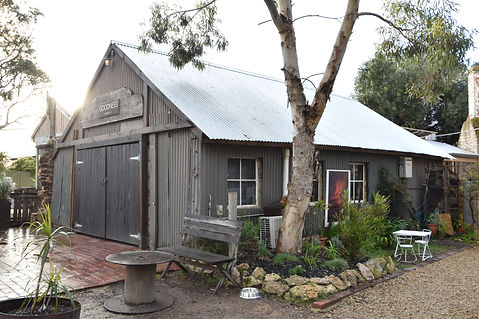

Opened in 1859, the blacksmiths of the day were never short of work. Today, the Blacksmiths Hub is used for a variety of different businesses and is a "must see" for visiting tourists.
bottom of page